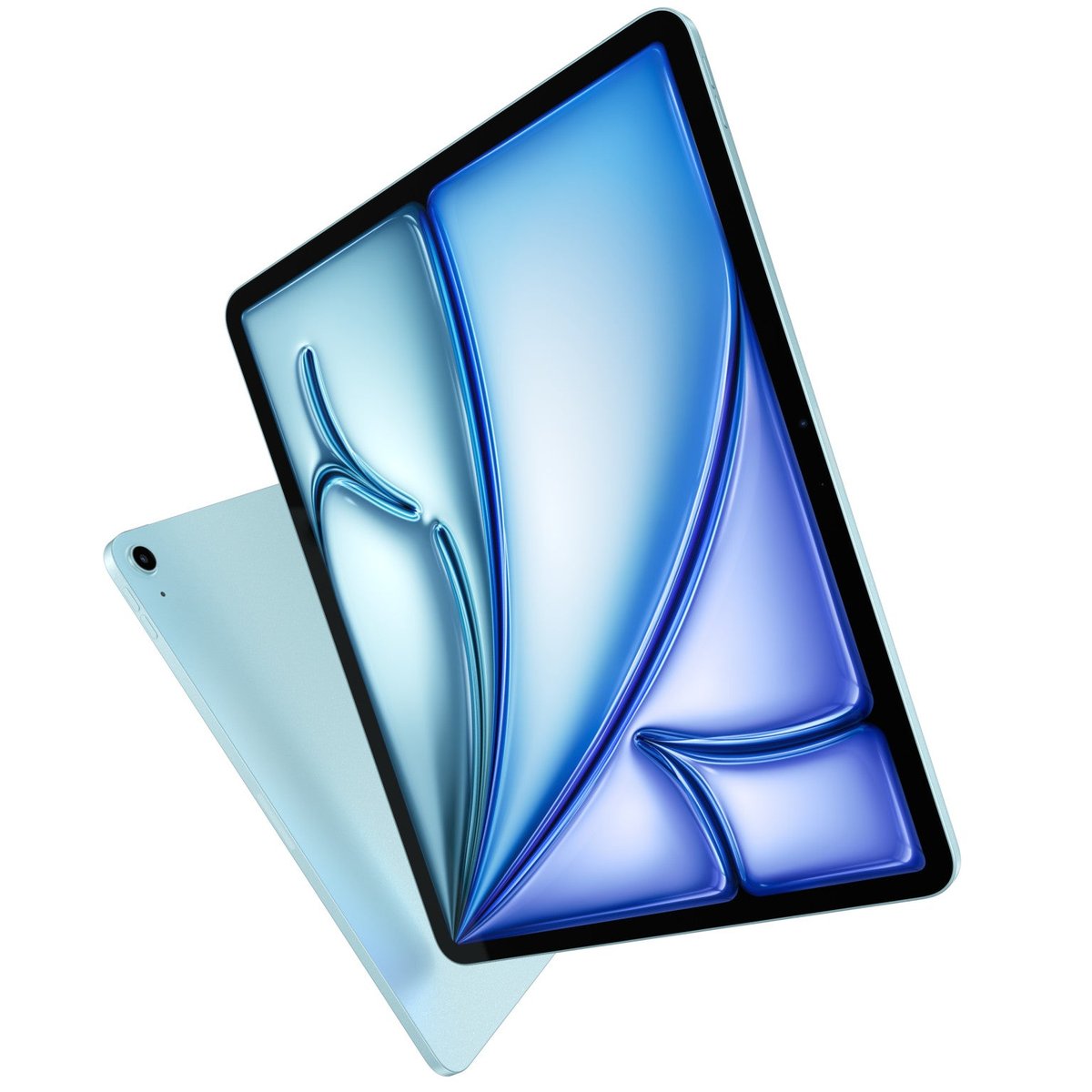
A Timeline of iPad Models, Releases, and Key Specs: Charting a Decade of Tablet Evolution
When Apple unveiled the first iPad in 2010, many were skeptical. Was it just a giant iPhone? Turns out, it was the genesis of an entirely new computing category, forever changing how we interact with digital content, create, and connect. From a simple content consumption device to a powerhouse capable of replacing traditional laptops for many, the journey of A Timeline of iPad Generations: Models, Release Dates, and Key Specs is a fascinating story of relentless innovation.
Over the past 15 years, Apple has launched over 30 distinct iPad generations across multiple product lines, each building upon the last while pushing the boundaries of what a tablet can be. Whether you're a long-time fan trying to keep up or a newcomer simply trying to determine your iPad generation, understanding this rich history is key to appreciating the device you hold today.
At a Glance: The iPad's Journey
- A Category Creator: Launched in 2010, the original iPad redefined portable computing.
- Evolving Product Lines: From a single model, it branched into iPad Mini (compact), iPad Air (thin and powerful), and iPad Pro (professional-grade).
- Processor Power: Progressed from basic A-series chips to Mac-level M-series silicon, fundamentally changing capabilities.
- Display Innovations: From standard definition to Retina, True Tone, ProMotion, Mini-LED, and now OLED, screens have consistently improved.
- Accessory Ecosystem: Introduced Apple Pencil, Smart Keyboard, and Magic Keyboard, turning the iPad into a versatile tool.
- Connectivity & Design: Shifting from 30-pin to Lightning to USB-C, adding cameras, biometrics (Touch ID, Face ID), and continually refining the physical design.
- Current Offerings: As of early 2025, Apple offers the 11th generation for the standard iPad, the 7th generation for the iPad Air, and the 8th generation of the iPad Pro.
The Genesis: Standard iPad and its Foundational Years
Before the "Mini," "Air," or "Pro" monikers, there was just "iPad." This original line established the tablet as a viable, desirable device, laying the groundwork for all subsequent innovations.
iPad (1st Generation) – The Pioneer (2010)
- Release Date: April 3, 2010
- Key Specs: 9.7-inch display, A4 processor, $499 starting price.
- What Made it Special: This was it – the original. It felt magical, a large interactive canvas for browsing, media, and simple apps.
- Missing Pieces: Crucially, it lacked cameras, true multitasking capabilities, and an official keyboard, which highlights just how far the iPad has come. It was primarily a consumption device, but a compelling one.
iPad (2nd Generation) – Thinner, Lighter, and with Cameras (2011)
- Release Date: March 11, 2011
- Key Specs: Dual-core Apple A5 chip, front and rear cameras, dramatically thinner and lighter design.
- What Made it Special: This was the first major refinement. The inclusion of cameras transformed it, making video calls possible and setting the stage for more interactive uses. It also introduced the iconic Smart Cover, a testament to Apple's design prowess.
iPad (3rd Generation) – The Retina Revolution (2012)
- Release Date: March 16, 2012
- Key Specs: Retina Display (3.1 million pixels), quad-core A5X chip, 5MP iSight camera, 4G LTE support.
- What Made it Special: The Retina Display was a game-changer. Text and images looked incredibly sharp, making content even more immersive. This model also brought 4G LTE, ushering in truly mobile internet on an iPad.
- A Brief Reign: Curiously, the 3rd Gen had the shortest lifespan of any Apple iOS device at just seven months, quickly superseded by its successor.
iPad (4th Generation) – The Lightning Era Begins (2012)
- Release Date: November 2, 2012
- Key Specs: A6X processor, 1.2MP front camera, Lightning port.
- What Made it Special: The most significant change here was the switch from the 30-pin connector to the smaller, reversible Lightning port, aligning it with the iPhone 5. This marked a significant, albeit sometimes frustrating for accessory owners, step forward in Apple's connector strategy.
iPad (5th Generation) – The Standard iPad Returns (2017)
- Release Date: March 24, 2017
- Key Specs: A9 processor, 9.7-inch Retina display, 2GB RAM, $329 starting price.
- What Made it Special: After a five-year hiatus where the "Air" line took the spotlight, the standard iPad made a comeback as the entry-level option. It offered solid performance at an accessible price, making the iPad experience available to a wider audience.
iPad (6th Generation) – Pencil for Everyone (2018)
- Release Date: March 27, 2018
- Key Specs: A10 Fusion chip, Apple Pencil support.
- What Made it Special: This was a huge deal. Bringing Apple Pencil support to the most affordable iPad finally opened up creative possibilities like note-taking and drawing to a much broader user base, transforming how students and casual users interacted with their tablets.
iPad (7th Generation) – A Bigger Canvas (2019)
- Release Date: September 25, 2019
- Key Specs: 10.2-inch Retina display, A10 Fusion processor, Smart Keyboard connector.
- What Made it Special: A slightly larger screen and the addition of the Smart Keyboard connector made the base iPad even more versatile for productivity tasks, blurring the lines between a tablet and a light laptop.
iPad (8th Generation) – Performance Boost (2020)
- Release Date: September 18, 2020
- Key Specs: A12 Bionic chip, 10.2-inch display.
- What Made it Special: While retaining the familiar design, the bump to the A12 Bionic chip provided a substantial performance leap, making everyday tasks, gaming, and even light creative work feel significantly snappier.
iPad (9th Generation) – The End of an Era (2021)
- Release Date: September 24, 2021
- Key Specs: A13 Bionic chip, 12MP front-facing camera with Centre Stage, 64GB base storage.
- What Made it Special: This model was notable for being the last iPad to feature the headphone jack, the physical home button, and the Lightning connector. It offered excellent value, doubling base storage and adding the clever Centre Stage camera feature for improved video calls.
iPad (10th Generation) – A Modern Look for the Entry-Level (2022)
- Release Date: October 26, 2022
- Key Specs: 10.9-inch Liquid Retina Display, A14 Bionic chip, USB-C, no home button, landscape speakers.
- What Made it Special: This brought the contemporary, all-screen design to the entry-level iPad, a significant visual upgrade. USB-C adoption across the entire line was a welcome change, as were the improved camera and audio features.
iPad (11th Generation) – More for the Same (2025)
- Release Date: March 2025
- Key Specs: A16 Bionic chip, 128GB starting storage.
- What Made it Special: Continuing its role as the accessible workhorse, the 11th Gen doubled the base storage and brought a more powerful A16 Bionic chip, all while maintaining the familiar chassis and price point. It's a testament to providing more value without hiking costs.
The Compact Companion: iPad Mini's Evolution
Designed for ultimate portability, the iPad Mini quickly carved out its own niche, proving that good things can indeed come in smaller packages.
iPad Mini (1st Generation) – The Small Wonder (2012)
- Release Date: November 2, 2012
- Key Specs: 7.9-inch display, A5 chip, $329 starting price.
- What Made it Special: Apple's answer to smaller tablets, the Mini offered the full iPad experience in a more pocketable (or at least, small-bag-able) form factor. Its fresh aluminum design was a hit, offering a sleek alternative to the larger models.
iPad Mini 2 – Retina Power (2013)
- Release Date: November 12, 2013
- Key Specs: Retina Display, A7 SOC.
- What Made it Special: This was the upgrade everyone wanted. The Retina Display transformed the viewing experience, making the compact screen as vibrant and sharp as its larger counterparts.
iPad Mini 3 – Fingerprint Security (2014)
- Release Date: October 24, 2014
- Key Specs: Touch ID, multiple storage options, gold color option.
- What Made it Special: Touch ID was the headline feature, bringing secure authentication and Apple Pay capabilities to the Mini line, enhancing both convenience and security.
iPad Mini 4 – A Design Refresh (2015)
- Release Date: September 9, 2015
- Key Specs: Reflected iPad Air 2 hardware, altered design (taller, wider), 7.9-inch screen.
- What Made it Special: This was the first Mini to see a physical design alteration, making it thinner and lighter, and bringing its internal hardware much closer to the iPad Air 2. It essentially became a miniaturized Air.
iPad Mini (5th Generation) – The Performance Leap (2019)
- Release Date: March 18, 2019
- Key Specs: A12 Bionic chip, True Tone Retina Display, 3GB RAM, Apple Pencil support.
- What Made it Special: After a four-year wait, the Mini 5 was a significant internal upgrade. The A12 Bionic and Apple Pencil support made it a highly capable, albeit compact, device for notes, sketches, and demanding apps.
iPad Mini (6th Generation) – All-Screen, All-New (2021)
- Release Date: September 24, 2021
- Key Specs: 8.3-inch liquid Retina display, A15 Bionic chip, USB-C, no home button.
- What Made it Special: The biggest design change for the Mini line, adopting the modern, all-screen aesthetic. USB-C, the powerful A15 chip, and second-gen Apple Pencil support made it a surprisingly potent mini-powerhouse.
The Mid-Range Marvel: iPad Air's Journey to Power
Conceived as a lighter, thinner version of the main iPad, the Air line has evolved into a formidable mid-range option, often borrowing features from the Pro line for a more accessible price.
iPad Air (1st Generation) – Design Revolution (2013)
- Release Date: November 1, 2013
- Key Specs: Slimmer, lighter, thinner bezels, 9.7-inch display, 64-bit A7 processor.
- What Made it Special: This was a true design marvel, drastically reducing size and weight while maintaining performance. It felt incredibly modern and set a new standard for tablet design.
iPad Air 2 – Even Thinner (2014)
- Release Date: October 24, 2014
- Key Specs: 6.1mm thin, A8X chip, improved cameras, removed mute switch.
- What Made it Special: It pushed the boundaries of thinness and lightness even further. The A8X chip provided a significant performance boost, and improved cameras made it more capable for photography.
iPad Air (3rd Generation) – Pro Features for Air (2019)
- Release Date: March 18, 2019
- Key Specs: 10.5-inch display, A12 Bionic SOC, Apple Pencil support.
- What Made it Special: This marked a shift, bringing features previously reserved for the Pro line, such as a larger display and Apple Pencil support, to the Air. It became a powerful contender for many, offering a blend of performance and portability.
iPad Air 4 – The All-Screen Air (2020)
- Release Date: October 23, 2020
- Key Specs: 10.9-inch Liquid Retina Display, A14 Bionic, Touch ID in power button, USB-C.
- What Made it Special: A massive design overhaul brought the Air in line with the Pro's all-screen look, but with Touch ID cleverly integrated into the power button. It truly blurred the lines, offering a premium feel and powerful A14 Bionic chip.
iPad Air (5th Generation) – M1 Power Unleashed (2022)
- Release Date: March 18, 2022
- Key Specs: M1 chip, 12MP front-facing camera, updated USB-C port.
- What Made it Special: This was an "unbelievable upgrade," bringing the desktop-class M1 chip to the Air line. This dramatically increased its processing power, making it a true performance beast for its price point and capable of handling pro-level apps with ease.
iPad Air (Previous generation before 7th Gen) – Bigger Screens, M2 Power (2024)
- Release Date: May 15, 2024
- Key Specs: M2 processor, 11-inch and new 13-inch models, Wi-Fi 6E, front camera shifted to landscape mode.
- What Made it Special: The introduction of a larger 13-inch model was a significant move, offering users more screen real estate. The M2 chip further boosted performance, while the landscape front camera was a thoughtful improvement for video calls.
iPad Air (7th Generation) – The M3 Advantage (2025)
- Release Date: March 2025
- Key Specs: M3 processor, 11-inch and 13-inch models, Apple Intelligence support.
- What Made it Special: This generation solidified the Air's position as a powerful device, bringing the M3 chip (even stronger than the M2) and, crucially, support for Apple Intelligence. It offers cutting-edge performance and AI capabilities at the same price as its predecessor.
The Professional's Canvas: iPad Pro's Relentless Innovation
The iPad Pro line is where Apple truly pushes the boundaries of tablet technology, often showcasing features that eventually trickle down to other models. It's designed for those who need maximum power and versatility.
iPad Pro (1st Generation) – The New Frontier (2015)
- Release Date: November 11, 2015 (12.9-inch)
- Key Specs: 12.9-inch Retina Display, A9X processor, Apple Pencil and Smart Keyboard support.
- What Made it Special: This was a bold move, introducing a significantly larger iPad aimed at creatives and professionals. It launched alongside the Apple Pencil, creating a powerful digital canvas and a true laptop alternative.
iPad Pro (9.7-inch) – The Smaller Pro (2016)
- Release Date: March 31, 2016
- Key Specs: 9.7-inch display, A9X processor, True Tone display, Rose Gold option.
- What Made it Special: This brought the Pro experience to a more portable size, appealing to those who wanted the Pencil and performance without the huge screen. It also introduced True Tone, a subtle but significant display enhancement.
iPad Pro (2nd Generation) – ProMotion and Power (2017)
- Release Date: June 13, 2017
- Key Specs: 10.5-inch and 12.9-inch models, A10X Fusion processor, ProMotion technology (120Hz refresh rate).
- What Made it Special: ProMotion was a game-changer for display fluidity, making scrolling, drawing, and gaming incredibly smooth. The 10.5-inch model replaced the 9.7-inch, offering more screen real estate in a similar footprint.
iPad Pro (3rd Generation) – All-Screen, Face ID, USB-C (2018)
- Release Date: November 7, 2018
- Key Specs: 11-inch and 12.9-inch models, A12X Bionic chip, Face ID, USB-C, new Apple Pencil (2nd Gen).
- What Made it Special: This was arguably the most radical redesign, ditching the home button for an all-screen look and Face ID. The switch to USB-C was monumental for connectivity, and the magnetically attaching, wirelessly charging Apple Pencil 2 further refined the creative workflow. It was a true professional device.
iPad Pro (4th Generation) – LiDAR and Magic Keyboard (2020)
- Release Date: March 25, 2020
- Key Specs: A12Z processor, 6GB RAM, dual rear camera with LiDAR sensor.
- What Made it Special: The LiDAR sensor was a pioneering addition, enhancing augmented reality (AR) capabilities and improving depth sensing for photography. It launched alongside the groundbreaking Magic Keyboard, which introduced a trackpad and backlit keys, making the iPad feel even more like a laptop.
iPad Pro (5th Generation) – The M1 Era Begins (2021)
- Release Date: May 21, 2021
- Key Specs: M1 SOC, Mini-LED Liquid Retina XDR display (12.9-inch), 5G connectivity, Centre Stage.
- What Made it Special: A massive leap, integrating the M1 chip (previously for Macs) into an iPad, bringing desktop-class performance. The 12.9-inch model's Mini-LED display offered stunning brightness and contrast, while 5G and Centre Stage rounded out a truly powerful package.
iPad Pro (6th Generation) – M2 Power (2022)
- Release Date: October 26, 2022
- Key Specs: M2 processor, Wi-Fi 6E, Bluetooth 5.3, Smart HDR 4.
- What Made it Special: Building on the M1, the M2 chip provided further performance gains, especially for video editing and graphics-intensive tasks. Enhanced connectivity with Wi-Fi 6E made for even faster wireless speeds.
iPad Pro (7th Generation) – OLED and M4: A New Pinnacle (2024)
- Release Date: May 15, 2024
- Key Specs: M4 chip (first device with it), OLED display (first for iPad Pro), slimmest design, metallic Magic Keyboard, Apple Pencil Pro.
- What Made it Special: This generation rewrote the rulebook again. The M4 chip, debuting on the iPad Pro, showed Apple's commitment to pushing performance. The OLED display offered unparalleled blacks and contrast, and the new, slimmest design made it feel incredibly premium. The Apple Pencil Pro added new gestures and haptics, further empowering creatives.
iPad Pro (8th Generation) – AI on Steroids (2025)
- Release Date: October 22, 2025
- Key Specs: M5 chip, enhanced AI performance.
- What Made it Special: A focused refresh, the 8th Gen Pro is set to integrate the M5 chip, delivering a significant boost in AI performance. This positions the iPad Pro at the forefront of Apple Intelligence capabilities, ready for the next wave of smart features and apps.
Key Evolutionary Milestones Across the iPad Lineup
Beyond individual models, several overarching themes define the iPad's trajectory:
- Processing Power: The shift from the A4 chip to the A16, and eventually the M-series (M1, M2, M3, M4, M5), is perhaps the most significant. This progression has transformed the iPad from a content viewer into a formidable machine for demanding creative, professional, and AI workloads. The M-series chips, in particular, blurred the lines between tablets and traditional computers.
- Display Technology: Retina, True Tone, ProMotion (120Hz refresh rate), Mini-LED (XDR display), and now OLED. Each iteration has made the viewing experience more vibrant, accurate, and responsive. OLED, especially, offers truly stunning visual fidelity, crucial for professional content creation and consumption.
- Connectivity and Ports: The initial 30-pin connector gave way to the smaller, more versatile Lightning port, which has now largely been superseded by the industry-standard USB-C. This universal port unlocks greater accessory compatibility and faster data transfer, making the iPad a more open and flexible device. The move from 4G LTE to 5G also ensures blazing-fast mobile internet.
- The Apple Pencil and Keyboard Ecosystem: The introduction of the Apple Pencil (1st and 2nd Gen, then Pro) transformed the iPad into a serious tool for artists, designers, and note-takers. Similarly, the evolution of Smart Keyboards and the Magic Keyboard with its integrated trackpad has redefined the iPad's role as a productivity powerhouse, capable of a laptop-like experience when needed.
- Biometrics and Design Language: From the original home button to Touch ID and then the sophisticated Face ID system, unlocking and securing your iPad has become more seamless. The industrial design has also progressed from thicker bezels to the sleek, all-screen aesthetic that now dominates the lineup, maximizing screen real estate.
Navigating the Current iPad Landscape: Which One is Right for You?
With so many generations and product lines, choosing an iPad can feel daunting. Here’s a quick framework to help you decide based on your needs:
- The Everyday iPad (Standard iPad 10th or 11th Gen):
- Best for: Students, casual users, media consumption, light productivity, browsing, and gaming.
- Why: Offers the essential iPad experience at the most affordable price point. Great for general use without breaking the bank.
- Consider: If you want the modern look and USB-C but don't need raw power.
- The Compact Powerhouse (iPad Mini 6th Gen):
- Best for: Ultra-portability, reading on the go, quick notes, gaming with two hands, field work where a smaller screen is an advantage.
- Why: Packs a powerful A15 chip and an all-screen design into a truly portable form factor.
- Consider: If size and convenience are your top priorities, and you value Apple Pencil support in a smaller device.
- The Versatile Workhorse (iPad Air 5th or 7th Gen):
- Best for: Students, mid-level professionals, creative hobbyists, those needing more power than the standard iPad but not the Pro's premium features.
- Why: Offers M-series chip performance (M1, M3), an all-screen design, and Apple Pencil/Magic Keyboard support at a more accessible price than the Pro. The 7th Gen with M3 and Apple Intelligence support is a significant leap.
- Consider: If you need a capable device for photo editing, moderate video editing, or multitasking, without the Pro's top-tier display or LiDAR.
- The Ultimate Professional Tool (iPad Pro 7th or 8th Gen):
- Best for: Graphic designers, video editors, music producers, developers, artists, power users who demand the absolute best.
- Why: Features the cutting-edge M4/M5 chip, stunning OLED display, ProMotion, LiDAR, and unparalleled accessory support (Apple Pencil Pro, Magic Keyboard).
- Consider: If your workflow demands maximum performance, the best display, advanced camera capabilities, and you rely heavily on pro apps.
The Road Ahead: What's Next for iPad?
Apple's commitment to the iPad is clearer than ever. The recent releases in 2024 and 2025 paint a vivid picture of the future:
- 2025 Releases: We've already seen the 11th generation standard iPad (March 2025) offering double the base storage and a powerful A16 Bionic chip. The 7th generation iPad Air (March 2025) brought the M3 processor and critical Apple Intelligence support, reinforcing its position as a high-performance choice. Looking ahead, the 8th generation iPad Pro (October 22, 2025) is poised to further enhance AI performance with the M5 chip.
- Apple Intelligence: This new suite of AI features will fundamentally change how we interact with all Apple devices, including the iPad. Expect more intuitive workflows, personalized assistance, and deeply integrated AI capabilities across iPadOS. The M-series chips are designed to accelerate these experiences, making the iPad an even smarter companion.
- iPadOS Evolution: The future of iPadOS is exciting. Predictions for iPadOS 26 include a more macOS-inspired design with a menu bar, a refined multitasking interface, and improved tiling controls, all aimed at boosting productivity and making the iPad an even more viable laptop replacement. New apps like Preview and Phone could further integrate the iPad into a seamless Apple ecosystem.
- Beyond 2025: While specific details are scarce, the next opportunity for major iPad updates is likely Spring 2026. This could bring further hardware refinements to the iPad Pro, perhaps even more radical design changes for the iPad Mini, or entirely new features focused on specific professional or creative purposes. Apple's pattern suggests continued innovation in display technology, processing power, and user experience.
The iPad's journey has been one of continuous evolution, from a category-defining device to a diverse family of tablets that cater to virtually every need. As technology advances and user demands grow, one thing is certain: the iPad will continue to push the boundaries of what a tablet can do, adapting and innovating for years to come.